The End of the Treadmill: How AI Cured My Tech FOMO
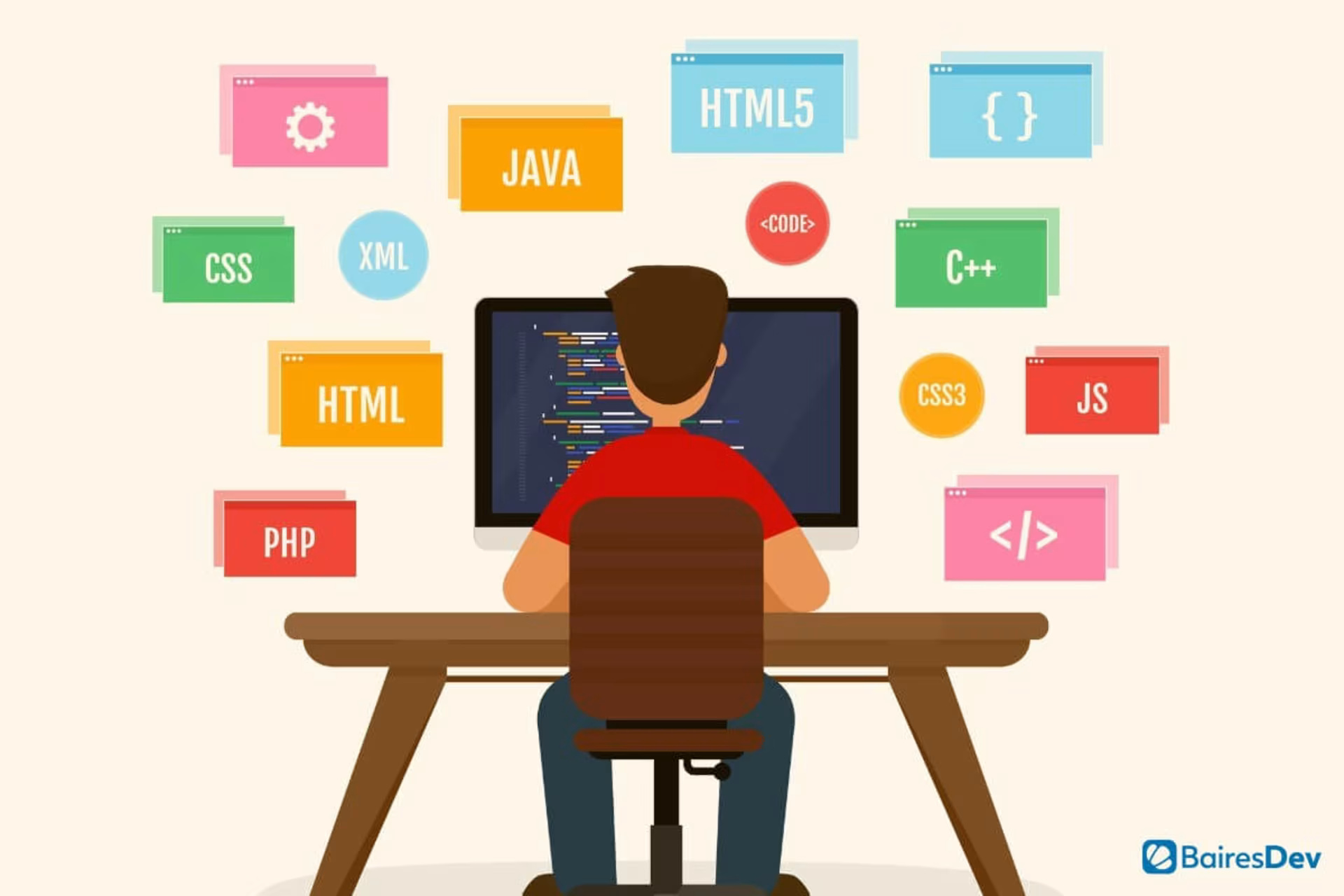
If you started your journey in technology around the late 1990s like I did, you know exactly what "The Grind" looked like.
Back then, the tech landscape was exploding. The internet was moving from novelty to necessity, and with it came a tsunami of new programming languages, frameworks, operating systems, and system management methodologies.
For decades, my professional life felt like a frantic race just to stay at the starting line.
The Decades of Catch-Up
From the late 90s up until very recently, I carried a heavy burden. To remain relevant and capable, I had to be a perpetual student—but not in the leisurely, academic sense.
I spent countless nights and weekends burying my head in heavy "animal" cover books, scouring thick industry magazines, and refreshing blog feeds. If a new JavaScript framework dropped? I had to learn it. A new paradigm in system administration? I had to master it. Linux kernel updates? Better read the patch notes.
It was hard. It was exhausting. There was a constant, low-level anxiety that if I blinked, I would become obsolete. I was constantly trying to "download" the entire internet into my brain, just in case I needed to use a specific tool six months down the line.
The Turning Point
Then, about two or three years ago, something shifted. The burden was suddenly—and noticeably—lifted from my shoulders.
The arrival of capable Artificial Intelligence changed the equation entirely.
For the first time in my career, I am not anxious about "following everything." I have stopped trying to memorize the documentation for every new tool that hits the market. I no longer feel the need to be a walking encyclopedia of syntax and configuration flags.
Why? Because I know I have a partner.
From Memorization to Creation
The fundamental shift is this: I have moved from Just-in-Case learning to Just-in-Time execution.
I know there are tools now that can help me grasp almost any concept, language, or ecosystem in moments, not months. The AI acts as a universal translator and a patient mentor. It bridges the gap between my architectural vision and the nitty-gritty implementation details.
The most liberating part is how this has changed my approach to new ideas:
- Then: I would hesitate to start a complex project because I lacked a team of specialists or the six months required to learn the specific ecosystem myself.
- Now: I start projects immediately. I dive into new territories without worry.
If I need to write a module in a language I haven't touched in ten years? The AI helps me get the syntax right. If I need to configure a server environment I'm unfamiliar with? The AI guides me through the best practices.
The Right Direction
People often say that technology is moving faster than ever, implying that this is a bad thing or a scary thing.
I disagree. Things are changing fast, but for the first time, I am happy about it. I feel we are finally moving in the right direction.
We are moving toward a world where our value isn't defined by how much trivia we can retain, but by how well we can solve problems and build things. The barrier to entry has lowered, and the ceiling for potential has skyrocketed.
I’m no longer tired. I’m just excited to see what I can build next.
You May Also Like

Comments
0Leave a Comment
Share your thoughts with us
No comments yet
Be the first to share your thoughts!